
Technology entrepreneur Azeem Azhar and investor Paul Kedrosky join Ezra Klein to debate the extraordinary investment flowing into artificial intelligence and whether it represents durable growth or a financial bubble.
The published show notes collect six book recommendations from their joint episode, ranging from the Industrial Revolution and the electricity business to classic novels. They are presented here as the episode’s reading list, without assigning individual titles to a particular guest.
Guests: Azeem Azhar and Paul Kedrosky
Episode: Is There an A.I. Bubble? A Debate.
Released: October 16, 2026
The episode’s six picks
This page contains affiliate links. We may earn a commission if you buy through them, at no extra cost to you. As an Amazon Associate we earn from qualifying purchases.

Middlemarch
The lives of an idealistic young woman, an ambitious doctor, and their neighbors intertwine in an English provincial town. Eliot examines marriage, money, reform, and the distance between intention and consequence.
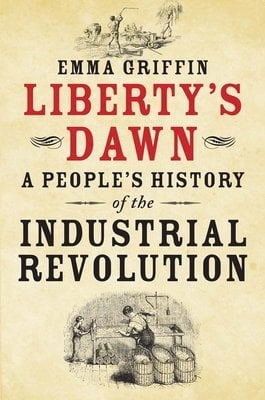
Liberty’s Dawn
Drawing on working people’s autobiographies, Emma Griffin examines how the Industrial Revolution changed ordinary lives. The book considers work, family, education, and the new freedoms industrialization could bring.
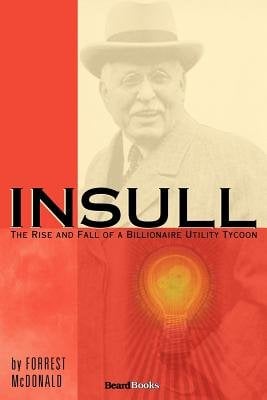
Insull
A biography of Samuel Insull, the electricity entrepreneur who built a vast utility empire. His rise and collapse illuminate the relationship between technological infrastructure, finance, and business ambition.

The Day the Universe Changed
James Burke traces moments when new knowledge changed how people understood their world. This history of science links discoveries to shifts in institutions, beliefs, and everyday life.
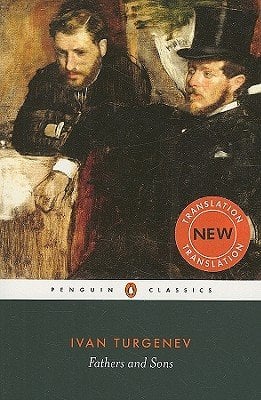
Fathers and Sons
A young man returns home with a friend whose radical convictions unsettle the older generation. Turgenev’s novel follows the tensions between inherited values, intellectual rebellion, and human attachment.
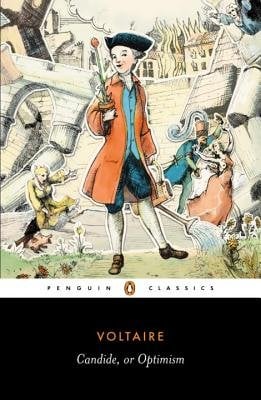
Candide
A relentlessly optimistic young traveler encounters war, disaster, cruelty, and absurdity. Voltaire turns his adventures into a satire of easy explanations for the world’s suffering.
An independent reading guide. Not affiliated with The Ezra Klein Show or The New York Times. Recommendations are sourced from the episode’s published show notes.